If you have a damaged, weak, or heavily restored tooth, your dentist may recommend a crown to protect it. When patients consider dental crowns in midtown Toronto, they are often looking for a way to restore tooth strength, improve chewing, and protect the remaining tooth structure.
A dental crown covers the visible part of a tooth and helps restore its shape, size, strength, and appearance. If you are unsure whether a crown is right for your tooth, visiting a dental clinic near you can help you understand your options.
What Are Dental Crowns?
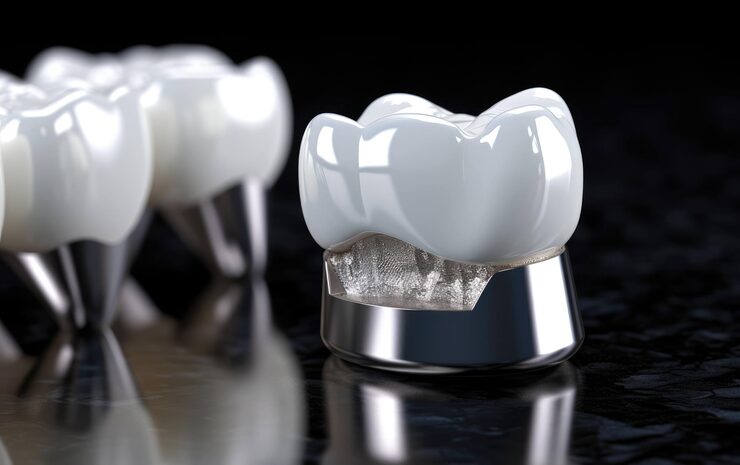
Dental crowns are custom-made caps placed over damaged or weakened teeth. A crown covers the tooth above the gumline and is designed to restore function while protecting the tooth underneath.
Dental crowns may be recommended for teeth that are cracked, worn down, weakened by decay, or restored with large fillings. They may also be used after root canal treatment or to complete a dental implant.
A crown may help:
- Cover a weakened tooth: The crown surrounds the tooth and provides added protection.
- Restore tooth shape: It can rebuild a tooth that has lost structure.
- Improve chewing function: A crown can help make biting and chewing more comfortable.
- Protect the tooth: It helps reduce the risk of further damage.
How Are Dental Crowns Helpful?
If you are wondering how dental crowns are helpful, they support both oral function and tooth protection. A damaged tooth may become painful, sensitive, or more likely to fracture if it is left untreated.
Crowns can help by covering the tooth and distributing chewing pressure more evenly. This can make daily activities such as eating and speaking feel more comfortable. Crowns can also improve the appearance of teeth that are discoloured, misshapen, or worn.
Benefits of Dental Crowns
The benefits of dental crowns depend on the condition of the tooth and the reason for treatment. For many patients, crowns provide both functional and cosmetic support.
Dental crowns may offer:
- Stronger tooth support: Crowns help reinforce weakened teeth.
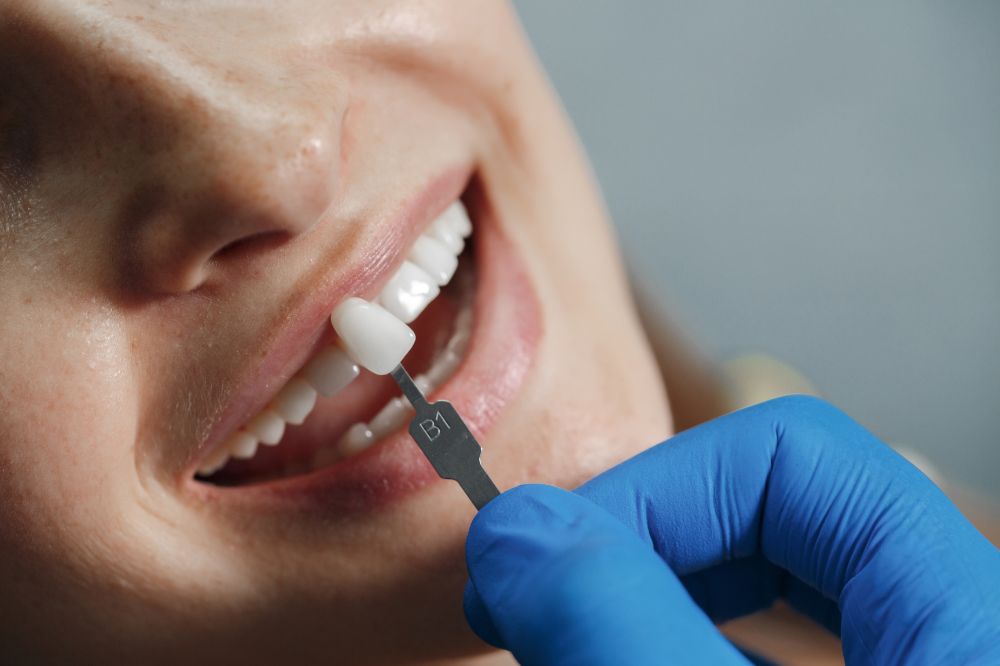
- Improved appearance: Tooth-coloured crowns can blend with surrounding teeth.
- Better chewing comfort: Restoring tooth structure can improve bite function.
- Long-term protection: Crowns can help protect teeth from further wear or damage.
- Support after root canal treatment: A crown may protect a treated tooth that has become more fragile.
When Might You Need a Dental Crown?
Not every damaged tooth needs a crown. Your dentist will recommend one based on how much tooth structure remains and whether a filling would provide enough support.
A crown may be recommended for:
- Large cavities: When a filling is not enough to restore the tooth.
- Cracked teeth: When the tooth needs coverage and protection.
- Root canal-treated teeth: When added strength is needed after treatment.
- Worn-down teeth: When tooth structure has been lost from grinding or wear.
- Dental implants: When a crown is needed to replace the visible part of a missing tooth.
If you are considering dental crowns near you, a dental evaluation can help determine whether a crown, filling, or another restoration is the right option.
Types of Dental Crowns
Dental crowns can be made from different materials. The right option depends on the tooth location, bite pressure, cosmetic goals, and your oral health needs.
Common crown materials include:
- Porcelain or ceramic: Often chosen for a natural appearance.
- Porcelain fused to metal: Offers strength with a tooth-coloured outer layer.
- Metal: Strong and durable, often used in areas with heavy chewing pressure.
- Zirconia: A strong tooth-coloured material used for durability and appearance.
What to Expect During the Crown Process
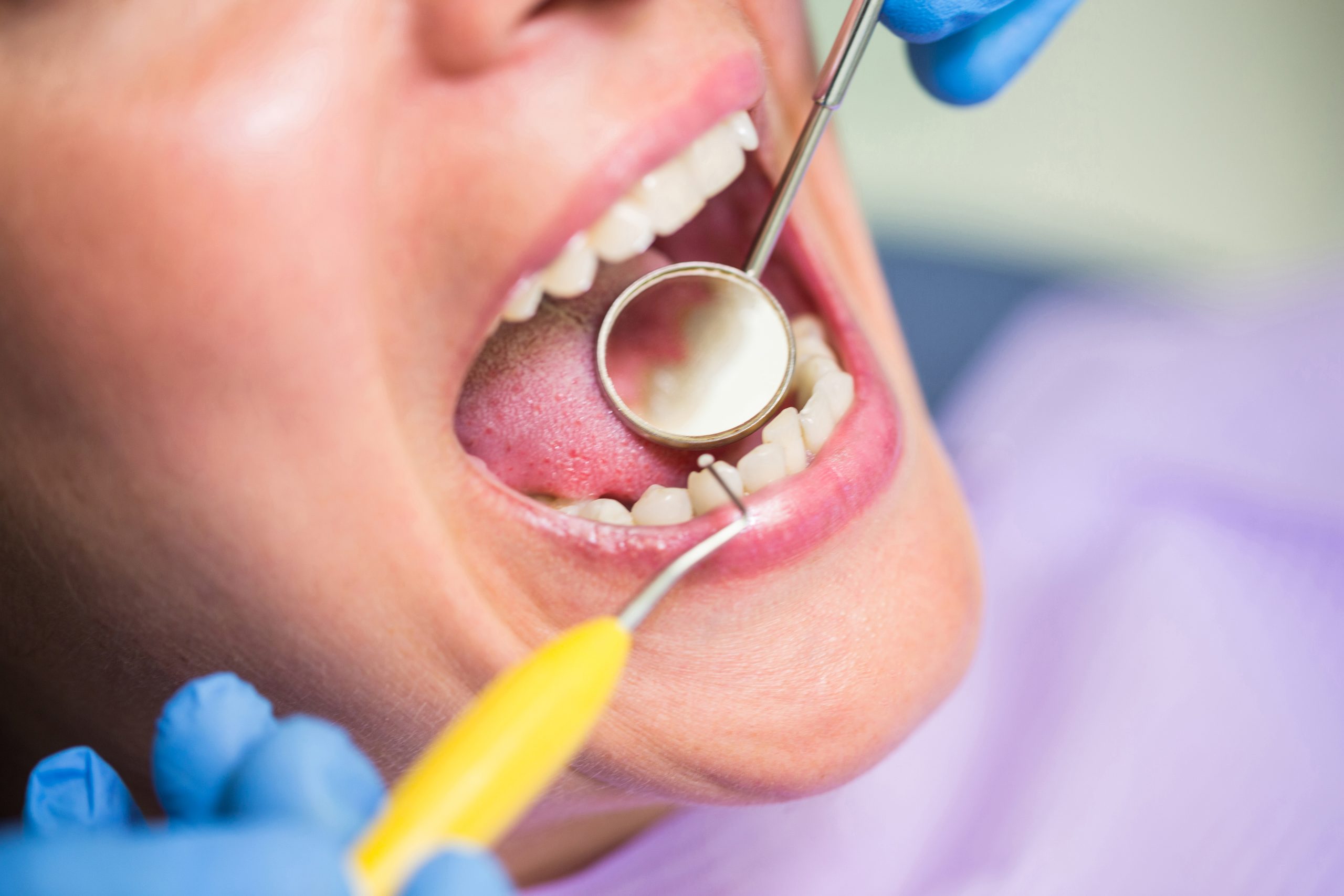
The crown process often takes one or two visits, depending on the type of crown and the technology used. Your dentist will examine the tooth, prepare it, and take impressions or digital scans. A custom crown is then made to fit your tooth and bite.
Once ready, the crown is placed, adjusted, and checked to make sure it feels comfortable.
Take the Next Step for Your Dental Care
Dental crowns can help protect weakened teeth, restore chewing function, and improve the appearance of your smile. Country Dental Toronto can assess your tooth, explain your options, and help you understand whether a crown is suitable for your needs.
Contact Country Dental Toronto today to book your visit.
Frequently Asked Questions
Do dental crowns look natural?
Yes. Tooth-coloured crowns can be designed to match the shade and shape of the surrounding teeth for a natural appearance.
How long do dental crowns last?
Dental crowns can last many years, but their lifespan depends on the material, oral hygiene, bite pressure, and regular dental care.
Is getting a dental crown painful?
The tooth is usually numbed during treatment to help keep you comfortable. Some mild sensitivity may occur afterward.
Can a crown be placed after a root canal?
Yes. A crown is often recommended after root canal treatment when the tooth needs added strength and protection.
How do I care for a dental crown?
Brush, floss, and attend regular dental visits. Avoid chewing very hard objects, as this can damage the crown or the tooth underneath.