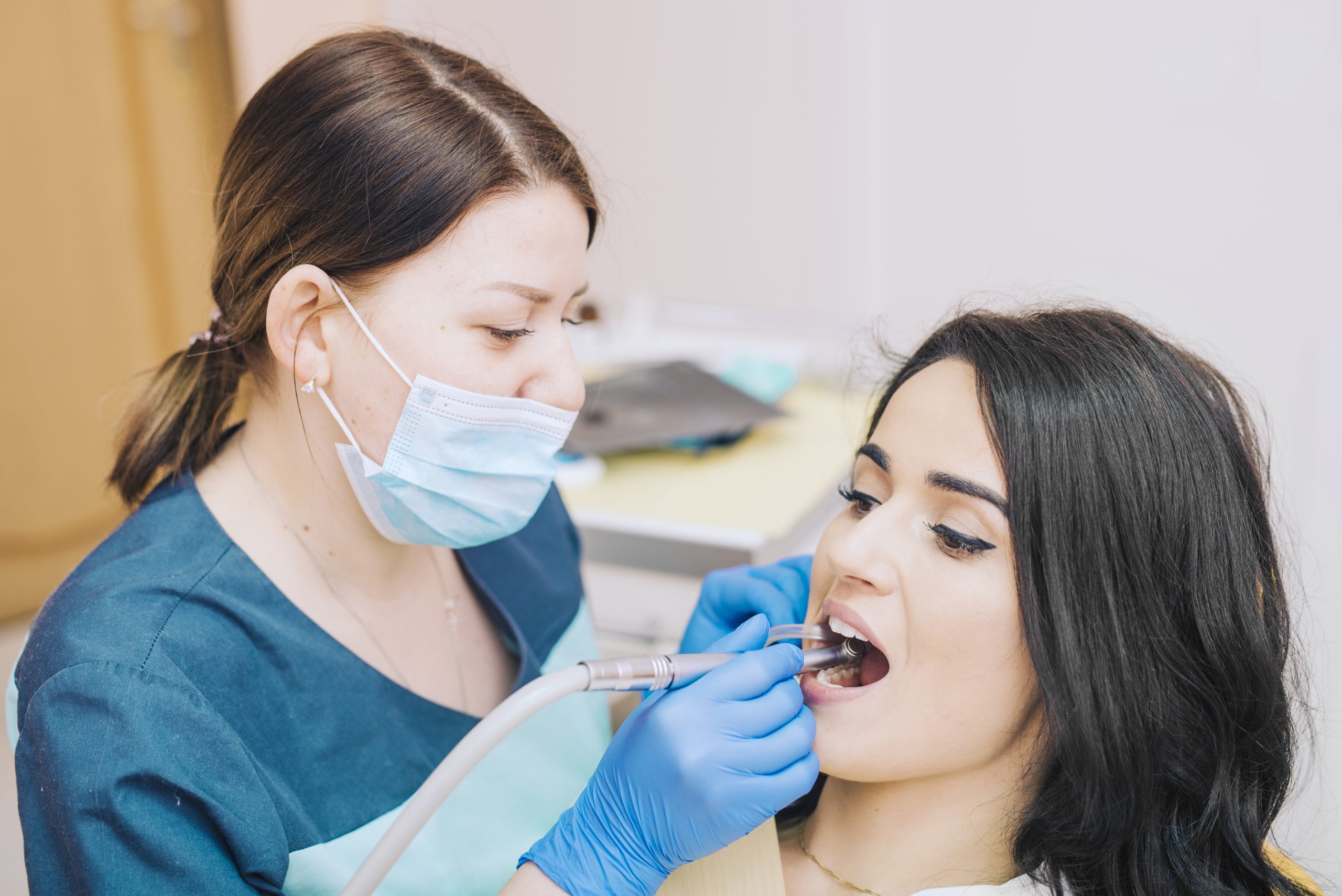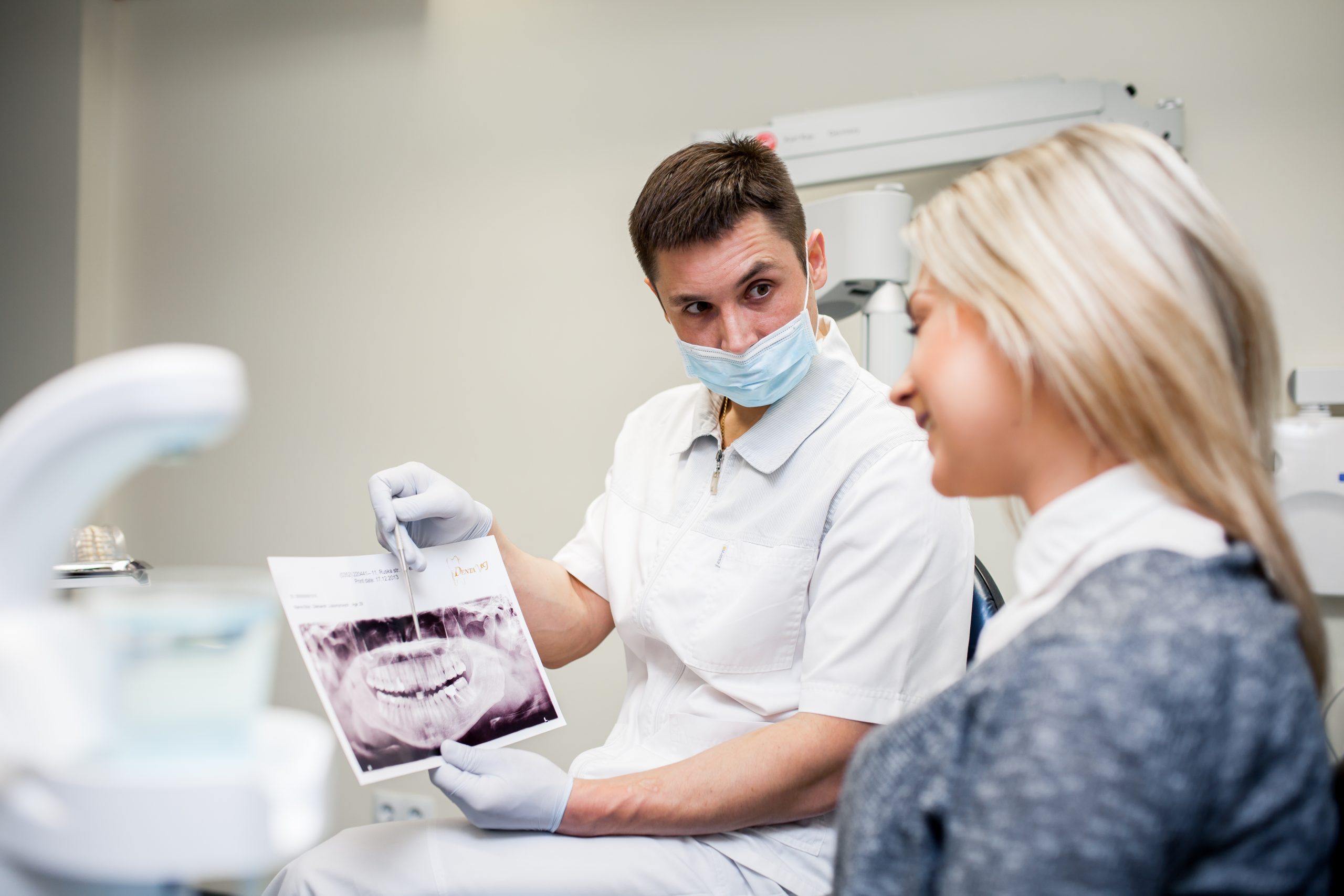
Many patients ask, “Why do I need a dental exam if nothing hurts?” The answer is simple: dental problems can begin quietly. A routine dental exam in midtown Toronto can help your dentist find small concerns before they become painful, costly, or harder to treat.
Brushing and flossing at home are important, but they do not replace professional dental care. During an exam, your dentist checks your teeth, gums, bite, and soft tissues to help protect your oral health over time.
The Importance of Routine Dental Exams
A dental exam is part of preventive care. Even with good oral hygiene, plaque can harden into tartar in areas that are difficult to clean at home. Tartar cannot be removed with regular brushing and may increase the risk of cavities and gum disease.
Regular exams also help your dentist check for early signs of tooth decay, gum inflammation, damaged fillings, oral infections, and other concerns. Finding these issues early often means treatment can be simpler and more comfortable.
What Is Included in a Dental Exam?
If it has been a while since your last visit, you may wonder what is included in a dental exam. The process is usually simple, gentle, and focused on understanding your oral health.
Your visit may include:
- A review of your medical and dental history
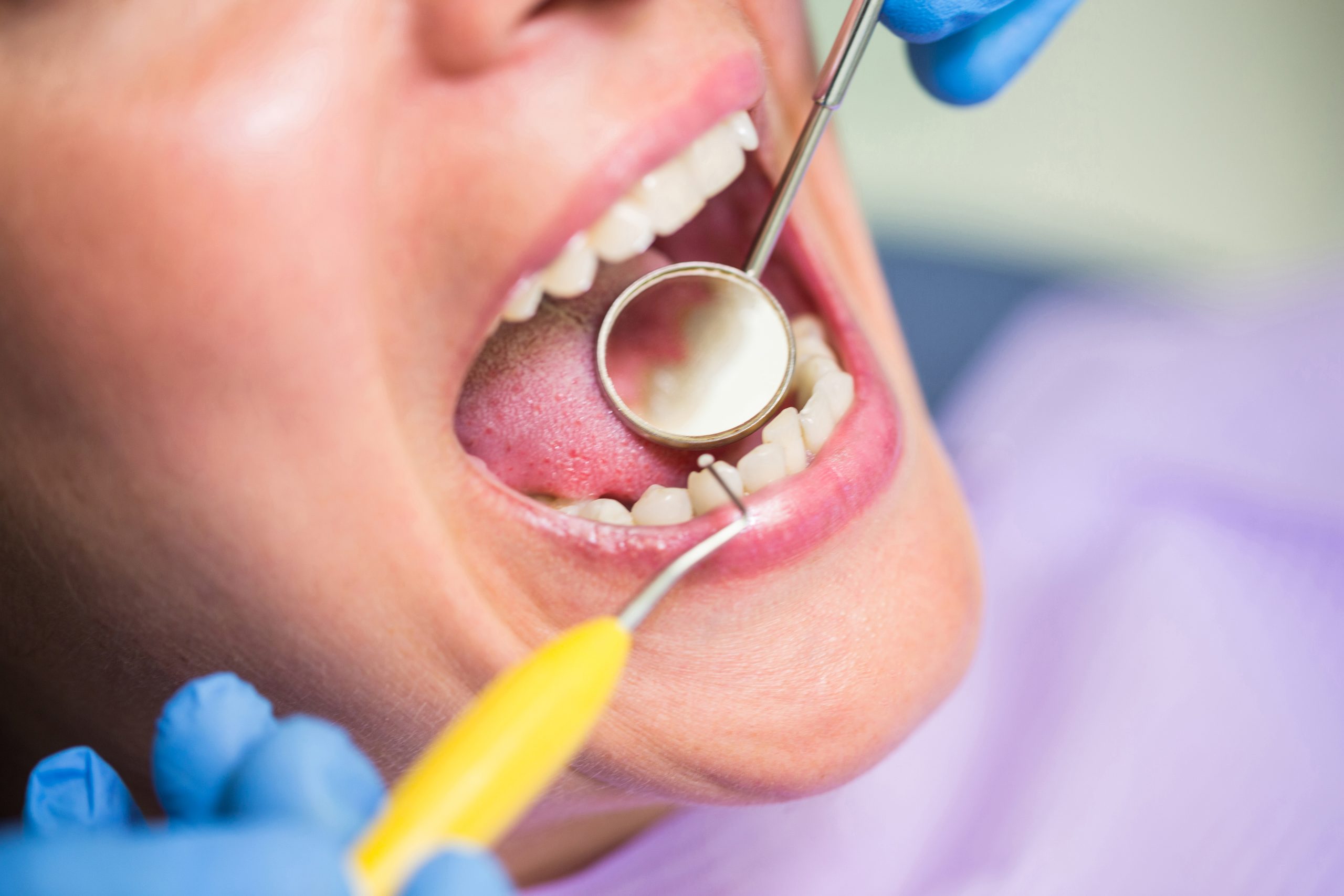
- A visual check of your teeth and gums
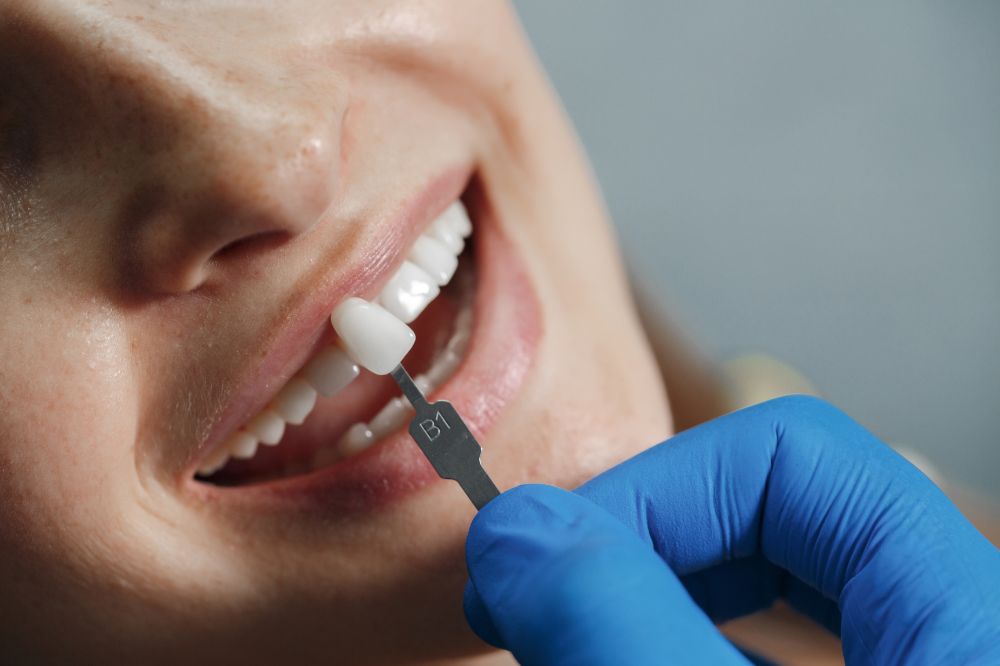
- An assessment of your bite and existing dental work
- Digital X-rays when needed
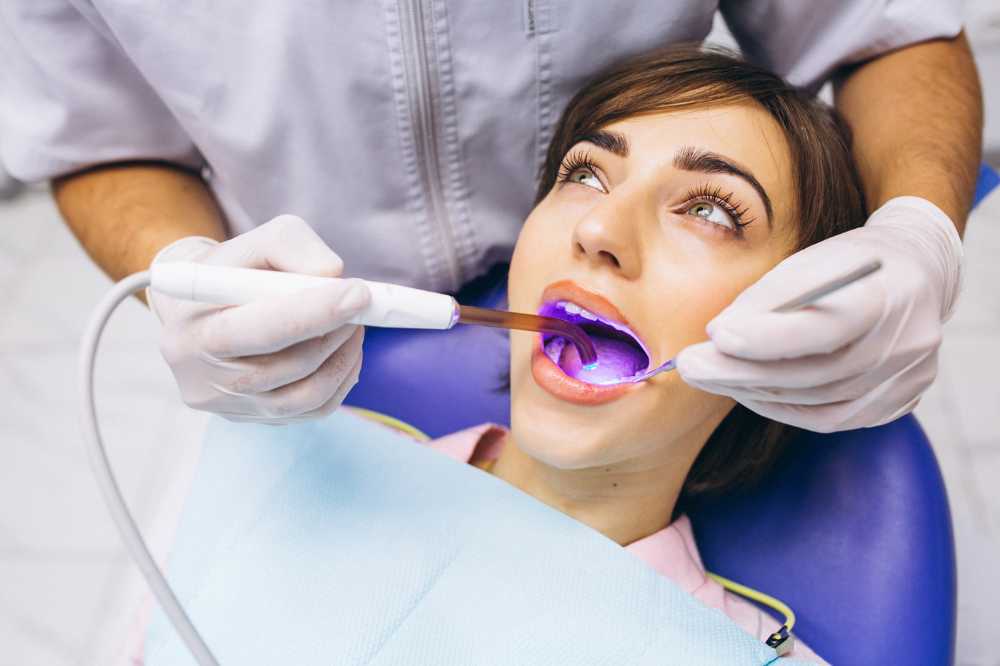
- A gum health check
- An oral cancer screening
- A professional cleaning, if scheduled with the exam
- Personalized advice for home care
X-rays are not always needed at every visit. Your dentist will recommend them based on your age, symptoms, dental history, and risk of cavities or gum disease.
Benefits of a Dental Exam
There are many benefits of a dental exam, especially when exams are done regularly. They can help:
- Detect cavities early
- Monitor gum health
- Remove plaque and tartar buildup
- Check old fillings, crowns, or other dental work
- Identify changes in your mouth
- Support fresher breath
- Reduce the risk of dental emergencies
Your mouth is also connected to your overall health. Gum disease and untreated infections may affect comfort, nutrition, and daily life. Some oral signs may also point to broader health concerns, which is why regular dental care is an important part of your wellness routine.
Finding Dental Care That Fits Your Routine
If you are looking for a dental exam near you, choosing a convenient and comfortable clinic can make it easier to stay consistent with your care. A trusted dental clinic in midtown Toronto can help you keep your oral health on track without waiting for pain to appear.
During your visit, ask questions. Your dental team can explain what they see, recommend better brushing or flossing techniques, and suggest products that may suit your needs, such as toothpaste for sensitivity or fluoride-based options.
Conclusion
Taking care of your teeth is easier when you do not wait for discomfort. At Country Dental Toronto, we provide gentle, patient-focused care for children, adults, and families. Our team is here to help you understand your oral health and feel comfortable during each visit.
Book your appointment today and take the next step toward a healthier smile.
Frequently Asked Questions
How often should I get a dental exam?
Most patients benefit from a dental exam every six months, but some may need visits more often depending on their oral health, gum condition, and cavity risk.
Do dental exams hurt?
A routine dental exam is usually painless. You may feel light pressure during parts of the cleaning, but your dental team can adjust your care if you feel sensitive.
Are X-rays required at every exam?
No. X-rays are recommended only when needed. Your dentist will decide based on your oral health, symptoms, and dental history.
Can a dentist find health concerns during an exam?
Yes. Dentists may notice signs of oral cancer, infections, vitamin deficiencies, dry mouth, or other changes that may need further assessment.
What happens if I skip dental exams?
Skipping exams can allow plaque, tartar, cavities, and gum problems to progress. This may lead to pain, infection, or the need for more complex treatment later.